NBA Player Props Are the Softest Market on the Board — if You Know Where to Look
 Available in US
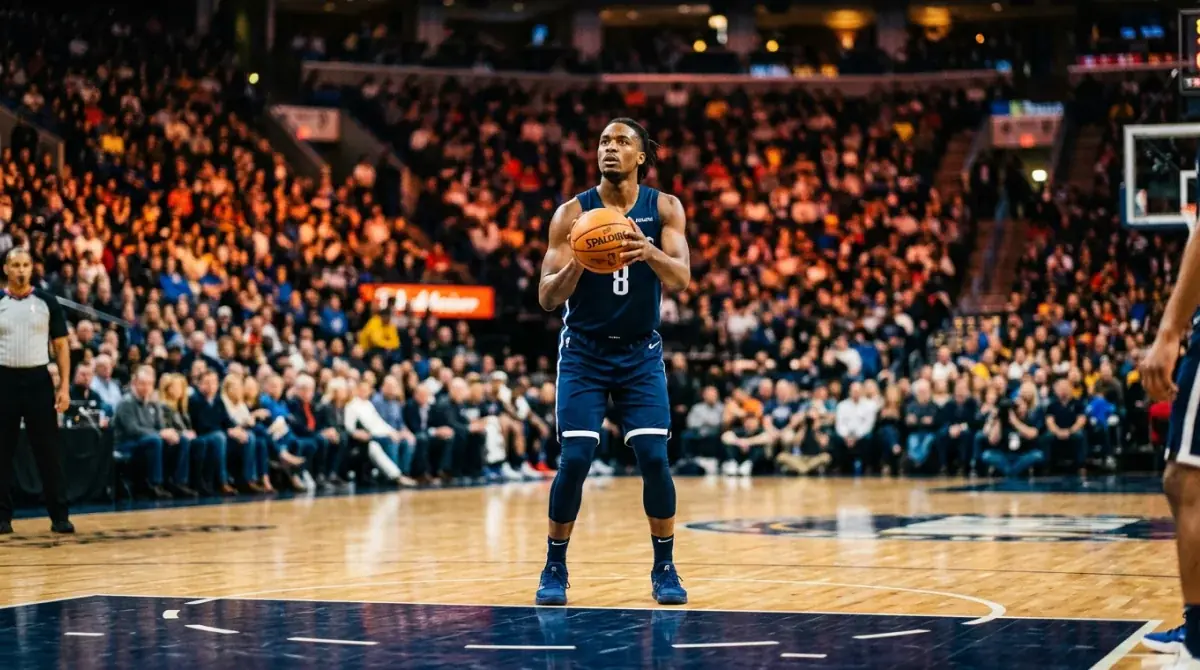
Three seasons ago, I stumbled onto player props almost by accident. A team total I wanted was unavailable, so I looked at the star guard’s points over/under instead — 24.5, priced at 1.91 both ways. My model projected him at 28.2 in that specific matchup against a bottom-five perimeter defence. I took the over, it hit by nine points, and I spent the next week wondering why I had been ignoring player-level markets for years. The answer was embarrassingly simple: I assumed the bookmaker priced them as tightly as spreads. They do not.
Tyrese Haliburton put it bluntly when he talked about how betting has changed the dynamic for NBA players — the awareness that thousands of strangers have money riding on whether you hit 7.5 assists or not creates a strange new pressure. That pressure is real for the athletes, but for bettors it represents opportunity. Player props are the fastest-growing segment of NBA betting, generating billions in handle across the 40-plus jurisdictions where the NBA monitors wagering activity. The volume is exploding, but the pricing has not caught up — and that gap is where the edge sits.
Why Bookmaker Models Struggle with Individual Player Lines
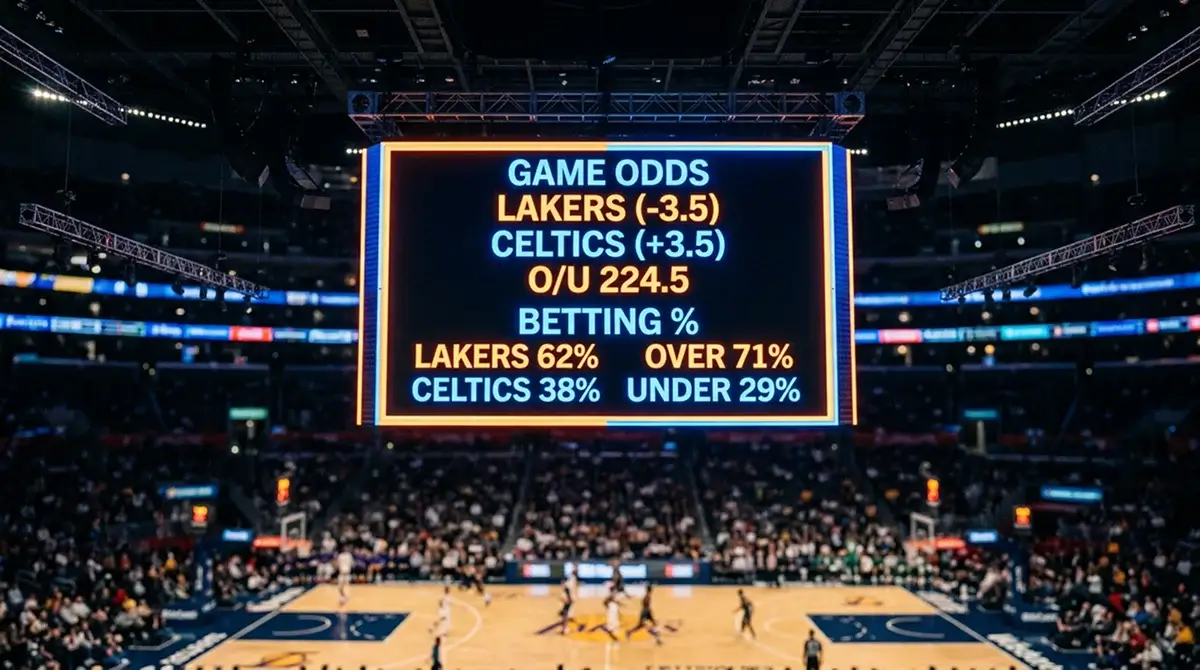
Have you ever wondered why the spread on a Celtics-Knicks game is razor-sharp but the rebounds over/under on a bench centre is soft? The answer is resource allocation. Bookmakers pour their best modelling talent and computational resources into the markets that attract the most handle — the main spread, the total, the moneyline. These markets are priced by specialists, adjusted in real time, and sharpened by professional betting action from syndicates and algorithms.
Player props sit further down the priority list. The lines are often generated by automated models that use season-long averages with basic adjustments for opponent strength. Those models miss context that any attentive NBA watcher would catch: a player returning from a two-game absence who will be on a minutes restriction, a backup point guard who is about to see 35 minutes because the starter has a sore hamstring, or a matchup where the opposing team’s defensive scheme funnels shots away from the perimeter and toward the paint — directly benefiting the centre’s scoring line.
The global sports betting market is projected to reach 325 billion dollars by 2035, and player-level markets are leading the growth curve. As the handle increases, the pricing will tighten. But right now, in 2026, the inefficiency window is still wide open — particularly on secondary stats like rebounds, assists, and three-pointers made, where the bookmaker’s model is least precise.
Building a Player Props Model That Actually Works
I spent my first season of player props betting by feel. I watched a lot of basketball, had opinions about who would have a big night, and bet accordingly. My hit rate was 50.8% — essentially a coin flip after the margin. The transformation came when I replaced opinions with a structured projection process.
My model projects each stat category independently. For points, I start with the player’s rolling 10-game average in that stat, then adjust for three factors: the opponent’s defensive rank against the player’s position over the past 15 games, the expected pace of the game (faster pace means more possessions and more statistical opportunities), and the player’s usage rate when specific teammates are present or absent. For rebounds, I add an adjustment for the opponent’s offensive rebounding rate — more missed shots from the opponent mean more defensive rebounding opportunities. For assists, I factor in the usage rate of the player’s teammates — a point guard feeding two high-usage scorers generates more assists than one feeding a balanced five-out offence.
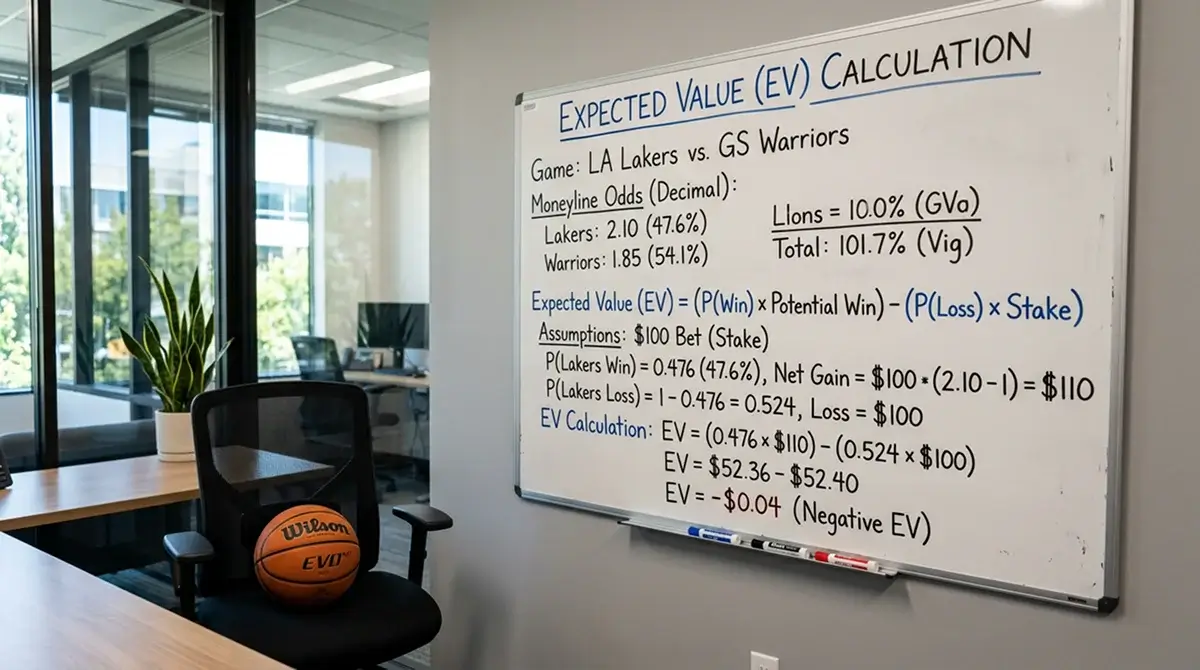
The output is a projected stat line. I compare each projection to the bookmaker’s line. If my number diverges from the line by 1.5 or more in the relevant stat, I have a potential bet. If the divergence is less than 1.5, I pass — the edge is too thin to overcome the margin. On a typical ten-game NBA night with five starters per team, that produces roughly 100 individual player prop opportunities. My filtering process narrows that to three to five bets. That selectivity is deliberate — the best edges in player props are concentrated, not distributed.
Matchup-Specific Angles That Move the Needle
Last February, I noticed a pattern that became one of my most profitable angles for the rest of the season. When a team’s primary perimeter defender was out, the opposing guard’s points line did not adjust proportionally. The bookmaker’s model registered the absence as a team-level defensive downgrade but did not fully capture the individual matchup impact. The guard who would have faced an elite wing defender was now facing a replacement-level option — and his scoring projection should have jumped by three to four points, not the one to two that the line reflected.
Three matchup angles I track consistently. First, pace mismatches. When a top-five pace team plays a bottom-five pace team, the resulting game tempo is usually closer to the fast team’s preferred pace — home teams and better teams tend to dictate tempo. Player props for the fast team’s starters are often set based on their season averages, which include games against other fast teams. Against a slow team that cannot control tempo, the actual pace is higher than the line implies, and the stat totals follow.
Second, rest advantage on assists. Point guards on full rest facing a team on a back-to-back generate more assists than their season average because the opposing defence is half a step slower in rotation. The slower rotations create open shooters, and open shooters make shots. The assists line rarely reflects this dynamic fully, making over bets on the rested guard’s assists a persistent edge.
Third, blowout risk and its impact on counting stats. In games where the spread is eight points or wider, the favourite’s starters are at risk of playing reduced fourth-quarter minutes. If the game goes to script and the favourite leads by 20 entering the fourth, the star’s points line — set for 32 minutes of play — might only get 26 minutes. I either avoid props on heavy favourites or target unders when the blowout probability is high. Conversely, I target overs on the underdog’s primary scorer, who will play heavy minutes in a losing effort and carry an outsized share of the shot attempts.
The NBA generates 1.3 billion broadcast hours annually, and every minute of that coverage creates data points that feed into player prop analysis. The bettors who extract the most value are the ones who process that data into matchup-specific projections rather than relying on season-long averages. The averages are where the bookmaker starts. The advanced stats are where you find the edge.
Which NBA player prop stats are most profitable to bet on?
Rebounds and assists tend to offer more pricing inefficiency than points because they attract less sharp action and receive less modelling attention from bookmakers. Three-pointers made is another soft market, particularly for role players whose lines are set using small sample sizes. Points props are the most efficiently priced because they attract the highest volume and the most scrutiny.
How many player prop bets should I place per NBA night?
Three to five is the optimal range for most bettors. A ten-game NBA slate produces roughly 100 individual prop opportunities, but only a small fraction will show a clear analytical edge. Betting more than five props per night typically means including marginal selections that dilute your overall expected value.
Published by the bet Tips nba team.