NBA Back-to-Back Scheduling and ATS Betting Data
 Available in US
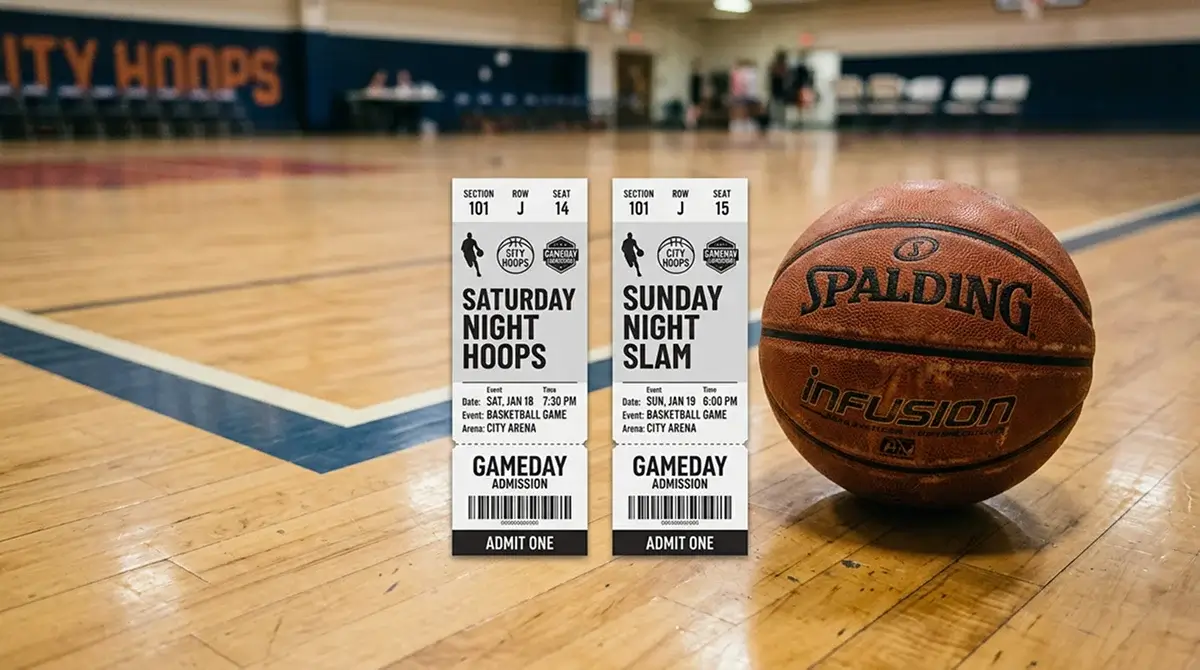
Every November, about three weeks into the NBA season, I start getting messages from friends who bet casually. “Why did the Bucks lose to the Pistons?” “How did the Nuggets get blown out by the Hornets?” The answer, nine times out of ten, is the same two words: back-to-back.
The NBA schedule forces every team to play a certain number of back-to-back sets — two games on consecutive nights. In the 2025-26 season, most teams had between 13 and 15 of these sets. That is 13 to 15 nights where one team walks onto the court with less recovery time, fewer practice hours, and accumulated fatigue that no amount of sports science can fully erase. For bettors, these nights represent the most predictable scheduling edge in professional basketball.
Tyrese Haliburton captured the modern player’s relationship with betting when he acknowledged that to half the world, he is just a prop — a number on someone’s bet slip. That observation cuts both ways. When Haliburton or any star is grinding through the second night of a back-to-back, his output is likely to dip. And his prop lines, set based on season averages, do not always reflect that dip quickly enough.
Home vs Away ATS Trends for Back-to-Back Teams
The broad-brush number is familiar: teams on the second night of a back-to-back cover the spread at a rate below 50%. Across my four seasons of tracking, the figure hovers around 46% to 48%, which means betting against the B2B team on the spread produces a small but consistent edge.
But that broad number hides significant variation. Home B2B teams — playing the second game at their own arena — cover at roughly 48.5%, close to the break-even threshold. Road B2B teams cover at around 44%. The travel component is doing most of the damage. A team that played at home last night and travels for tonight’s game has had a full night in their own bed, a morning shootaround at their own facility, and a short flight. A team that played in one city last night and flew overnight to another city for tonight’s game has had none of those advantages.
The sharpest ATS trend I have found in back-to-back data: road B2B teams facing a rested opponent that won their last game. The rested team has confidence and energy; the B2B team has neither. In that specific subset, the rested team covers at approximately 56% — a meaningful edge once you account for standard -110 pricing.
One trap to avoid: the market knows about back-to-backs. The line has already been adjusted. The question is not “does the B2B team perform worse?” — the answer is obviously yes. The question is “has the line moved far enough to account for how much worse?” When a team that would be a seven-point favourite on full rest is listed at -4.5 on the second night of a B2B, the three-point adjustment might be insufficient. Or it might be exactly right. Your job is to estimate the true impact for this specific team in this specific situation, not to blindly fade every B2B squad.
When Stars Sit: Reading the Injury Report on B2B Nights
The intersection of back-to-backs and load management has become one of the most profitable niches in NBA betting. NBA projected revenue for the 2025-26 season sits at 14.3 billion dollars, a 12% increase year on year — and part of that growth means teams have less incentive to grind regular-season games at full strength when the playoffs are the real prize.
Star players sit on B2B nights at a much higher rate than on normal schedule days. The probability of a star being listed as “out (rest)” on the second night of a back-to-back is roughly three to four times higher than on a standalone game. This is especially true for players over 30, players with chronic injury histories, and players on teams with a secure playoff seed.
The betting implication: if you are analysing a B2B game and the star is listed as “probable” or “questionable” on the day-before injury report, there is a reasonable chance that status flips to “out” in the final update. I build my analysis for these games in two layers — one projection with the star playing, one without. If the “without” projection offers value on the opponent’s side, I place a small pre-game bet and leave room to add a second unit if the star is officially scratched and the line has not fully adjusted.
The rest-day advantage compounds when you cross-reference the star’s absence with the backup’s recent performance. If the backup centre has been playing 12 minutes per game and suddenly gets 32 minutes, his output is wildly unpredictable. The line adjusts for the star’s absence but rarely accounts for the variance introduced by a role player getting triple his normal workload.
Over/Under Patterns in Back-to-Back Games
Totals on B2B nights behave differently from spreads, and the pattern is less intuitive than most bettors expect. The instinct says: tired team, less energy, lower scoring, bet the under. The reality is messier.
Fatigued teams do score fewer points on average — but they also play worse defence. Their rotations are sluggish, their close-outs are late, and their transition defence suffers. The opponent, if rested, attacks those lapses aggressively. The net effect on the total is surprisingly neutral in aggregate. My data shows B2B game totals go over at almost exactly 50%, which means the bookmakers are pricing the fatigue into the total correctly on average.
Where the edge appears is in specific subsets. B2B games where both teams are on compressed rest tend to go under — neither side has the legs to sustain a high-scoring pace for 48 minutes. B2B games where the B2B team is at home and the opponent is on a long road trip tend to go over — the fatigue effects roughly cancel, but the B2B team pushes pace at home to leverage their crowd and energy advantage, leading to a faster, sloppier, higher-scoring game.
The biggest totals trap on B2B nights: late-season tanking. Teams with nothing to play for on the second night of a back-to-back rest multiple starters, play deep bench lineups, and the game becomes a strange, low-quality affair that can go wildly over or wildly under depending on which bench unit happens to shoot well. I avoid totals bets entirely in these situations. The variance is too high and the information available — a lineup you have never seen play together — is too thin to project anything with confidence.
Do NBA teams perform significantly worse on the second night of a back-to-back?
Yes. Teams on the second night of a back-to-back cover the spread at around 46% to 48%, with road B2B teams performing notably worse at approximately 44%. The fatigue effect is real and consistent, but the betting market adjusts the line to account for it — the edge comes from identifying games where the adjustment is insufficient.
Should I always bet against the team on the second night?
No. Blindly fading every B2B team is not profitable because the market has already priced in the fatigue. The value lies in specific subsets: road back-to-backs with heavy travel, games where a star player is rested, and matchups against well-rested opponents. Context matters more than the blanket rule.
Written by the editors at bet Tips nba.